POLLINATORS ARE VITAL
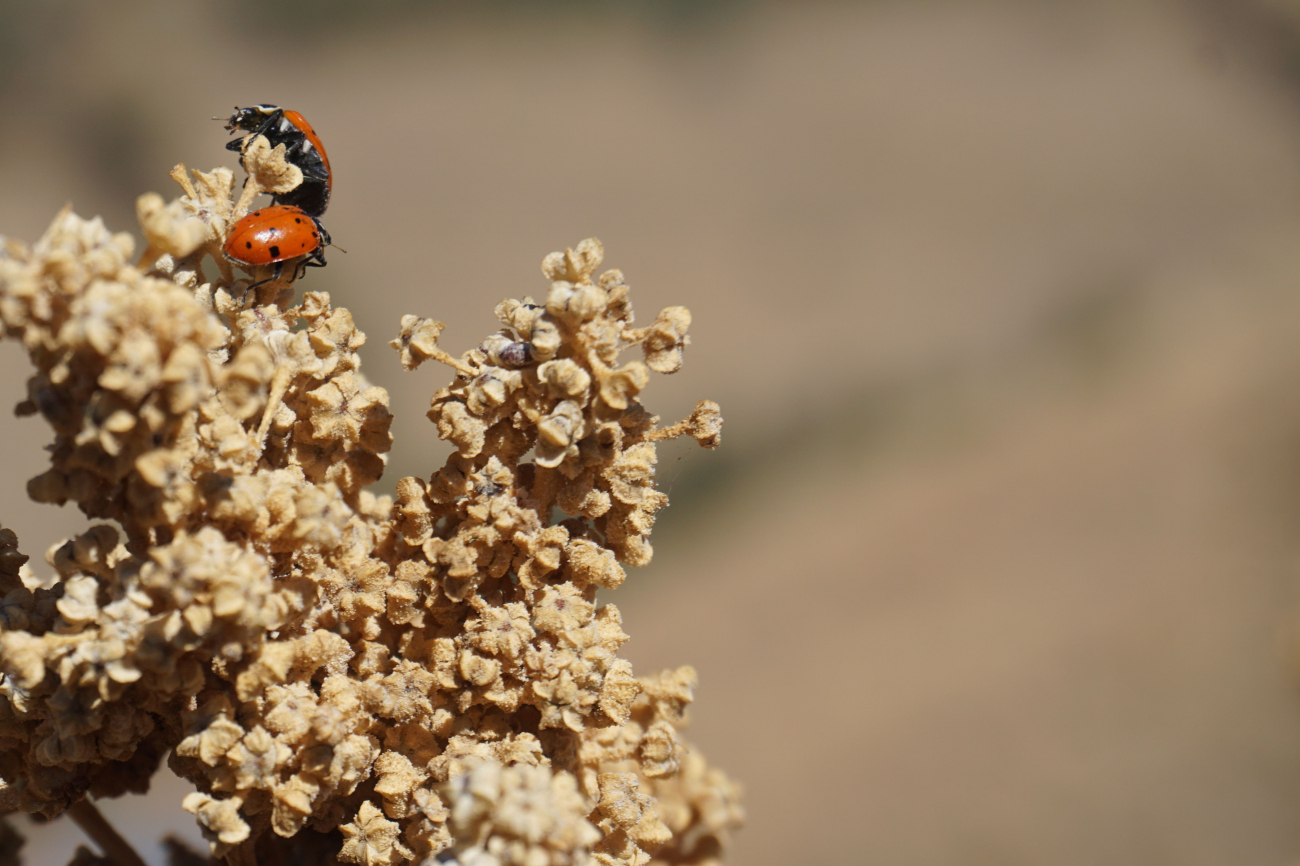
Pollinators such as bees, butterflies and other insects are vital for both ecosystems and food production. That is why we collaborate with The Pollinators, a Dutch foundation dedicated to protecting pollinating insects and restoring biodiversity. By working together with partners who share our commitment to biodiversity, we support initiatives that raise awareness and contribute to pollinator-friendly environments.
But why is it so important to protect biodiversity and pollinating insects? We will explain how organic agriculture is related to these topics.
FOUNDATION OF FOOD SYSTEMS
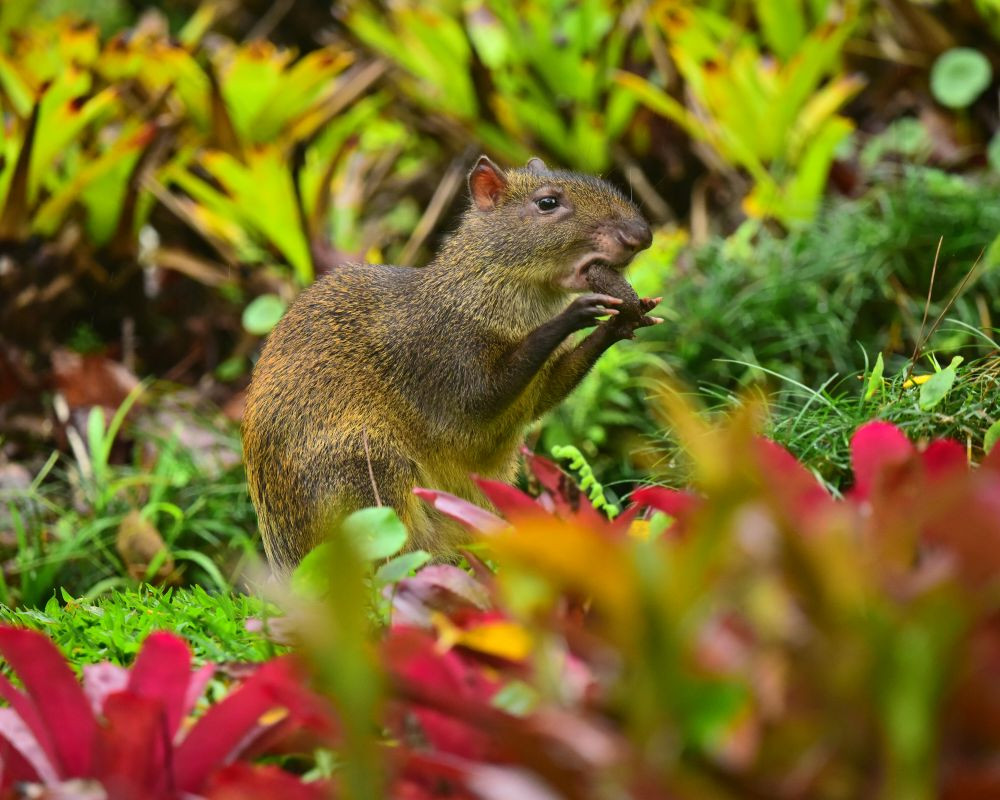
Biodiversity refers to the variety of life on earth – from microorganisms in the soil to insects, plants, birds and larger animals. These species are interconnected and together form the ecosystems that make food production possible.
Healthy soils, natural pest control, pollination and resilient landscapes all depend on biodiversity. When biodiversity declines, these natural systems become weaker and less stable.
Across the world, biodiversity is under pressure. Habitat loss, climate change and intensive agricultural practices have contributed to the decline of many species. Pollinators in particular have seen significant population decreases in recent decades.
THE ROLE OF ORGANIC AGRICULTURE
Organic agriculture is based on working with ecological systems and natural cycles. Instead of relying on synthetic pesticides and fertilisers, organic farmers focus on soil health, crop diversity and balanced ecosystems.
Scientific research consistently shows that organic farming supports greater biodiversity. As research highlights that 95% more species are found on organic arable land, including 23-26% more flower-visiting insects, and 35% more farmland bird species (Sanders et al., 2022).
IMPACT PARTNER
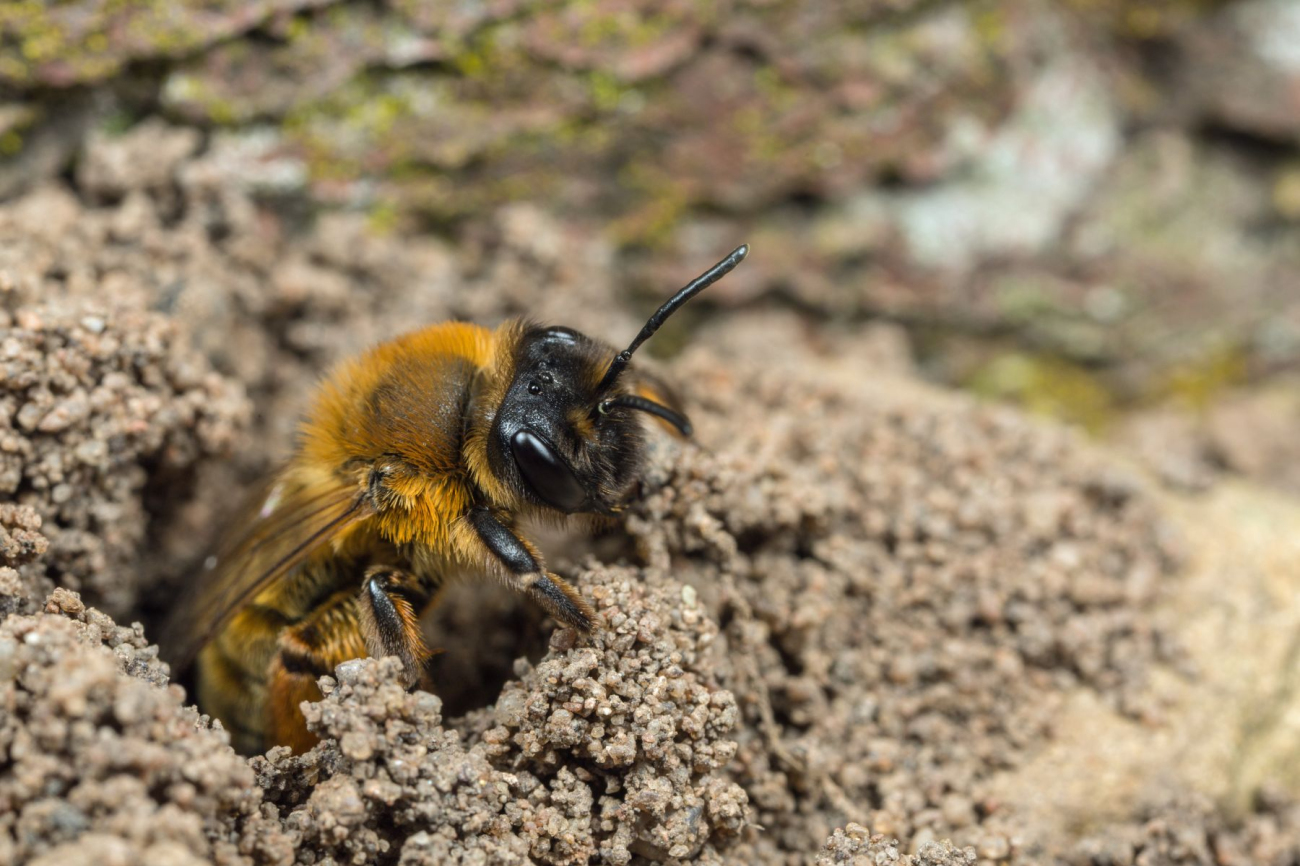
We are proud to collaborate with The Pollinators, a Dutch foundation dedicated to restoring biodiversity and raising awareness about the importance of pollinators.
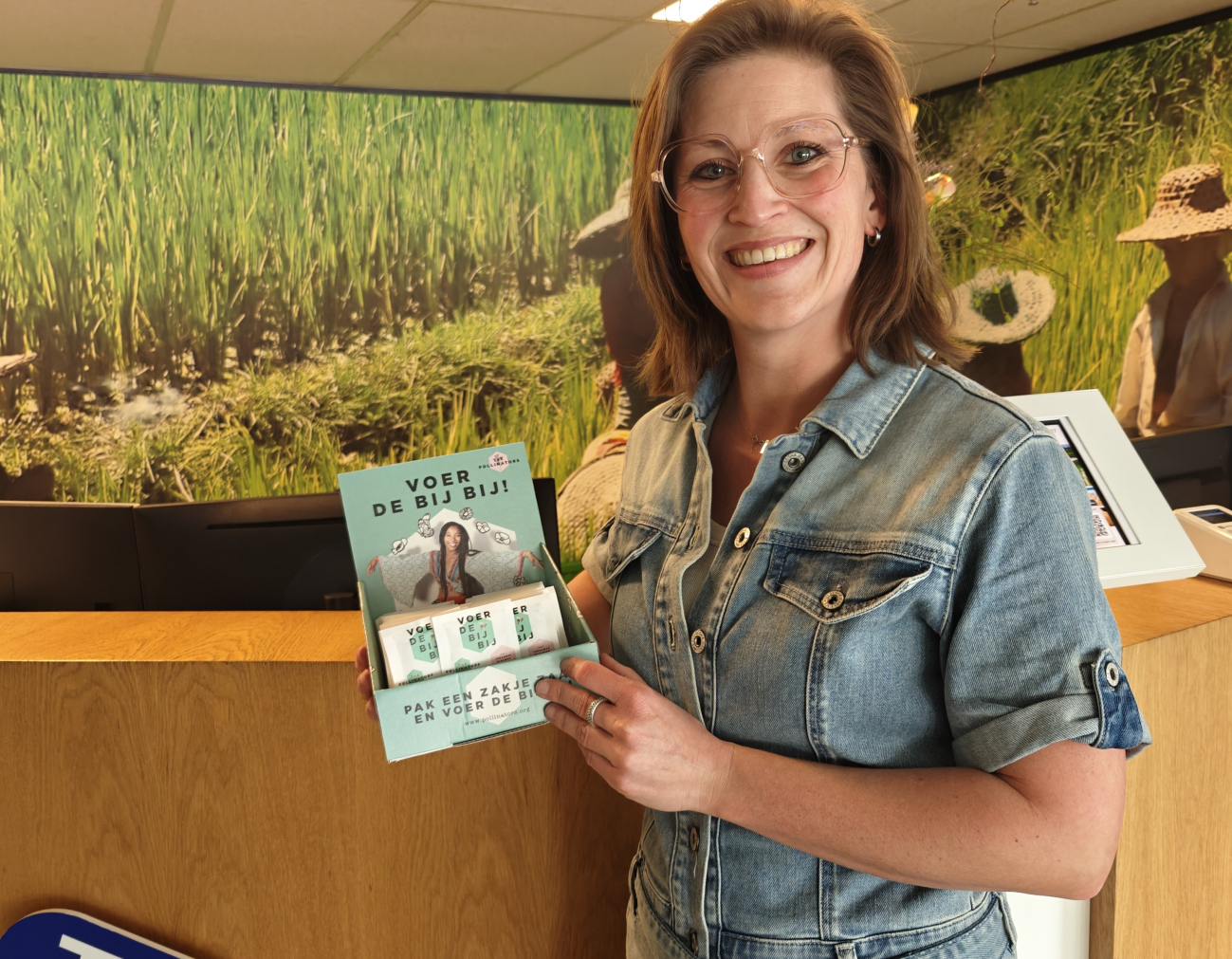
The Pollinators inspire individuals, organisations and communities to take action for bees, butterflies and other pollinating insects. Through campaigns and educational initiatives,they encourage people to create pollinator-friendly environments that provide more space and food sources for pollinating insects. We are pleased to support their national campaign and join the Nationale Zaaicoalitie, acting as a “food bank for bees” by distributing pesticide-free bags of native flower seeds.
WORKING TOGETHER FOR IMPACT
Across the four principles of organic agriculture - Care, Health, Ecology and Fairness - we collaborate with partners who contribute to knowledge sharing, biodiversity and fair supply chains. The Pollinators is our Impact Partner under the Ecology principle.
Share page