WHY THESE COCONUT TREES?
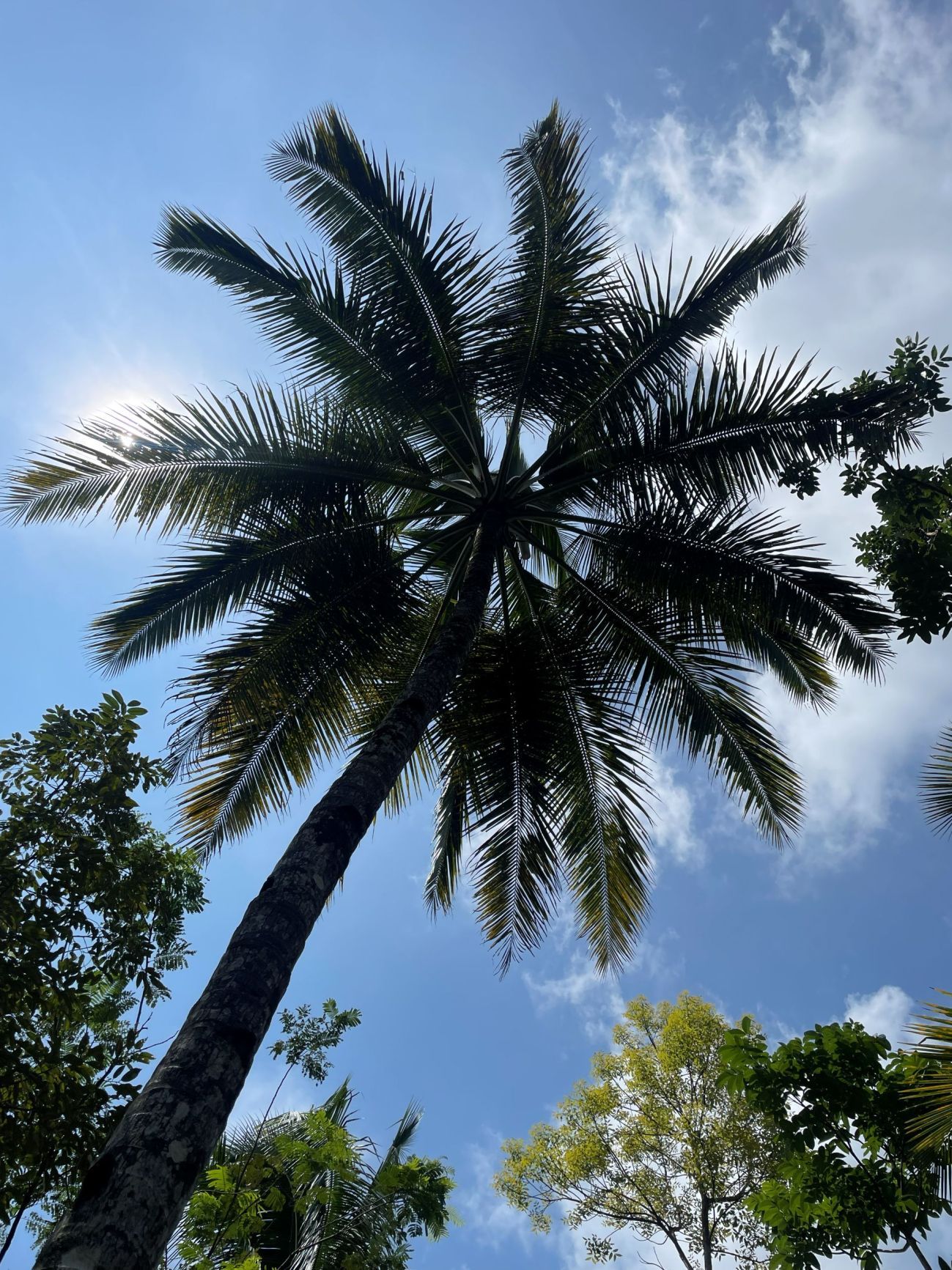
Traditional coconut trees can grow up to 30 metres tall. Farmers typically climb each tree twice a day to collect the sap from the flowers, a demanding and risky task. Many existing trees are also ageing, reducing productivity and limiting farmers’ earnings. The high-risk that comes from climbing these large trees, also makes the work less appealing to younger generations of farmers.
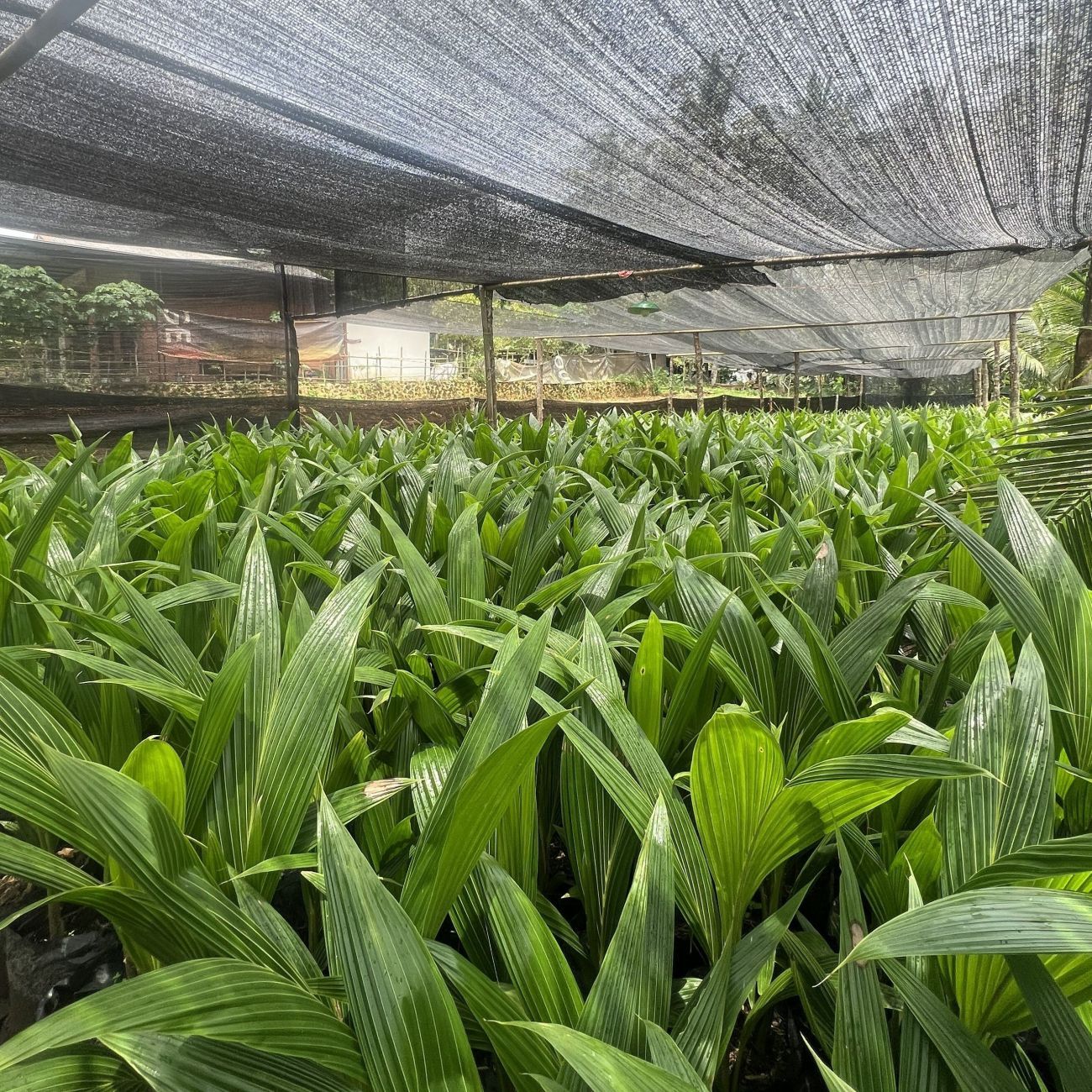
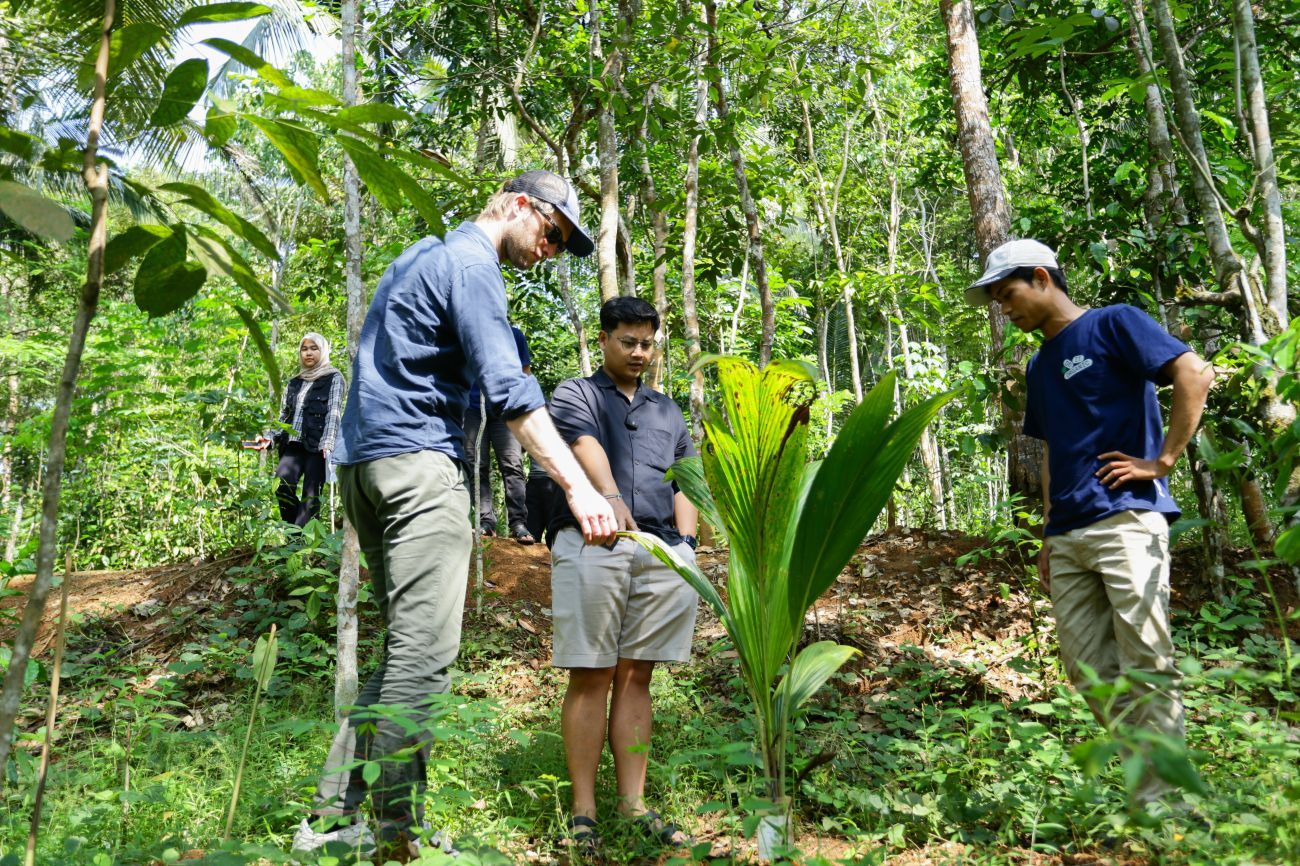
That's where the Genjah coconut tree variety comes in. These trees grow to around three meters, making them safer to harvest, more productive, and quicker to mature - producing sap after just three years instead of six.
We are proud to work together with our partners, strenghtening fair and responsible farming livelihoods by:
- Improving working conditions
- Increasing earning potential
- Supporting community resilience and future generations.
The first phase of the project covers the distribution and planting of 1,055 seedlings together with 80 local farmers. If all goes well, we plan to scale up and expand our activities by involving more farmers. We are excited to stay in close contact with our partners on the ground and monitor the direct impact on these farmers' livelihoods.
A NEW APPROACH
The Genjah seedling variety has a much shorter trunk, which means:
- Collecting the coconut sap becomes easier
- The work becomes safer and less physically demanding
- Farmers can collect more sap per day, improving their income and their motivation
- The profession becomes more accessible to younger people and women
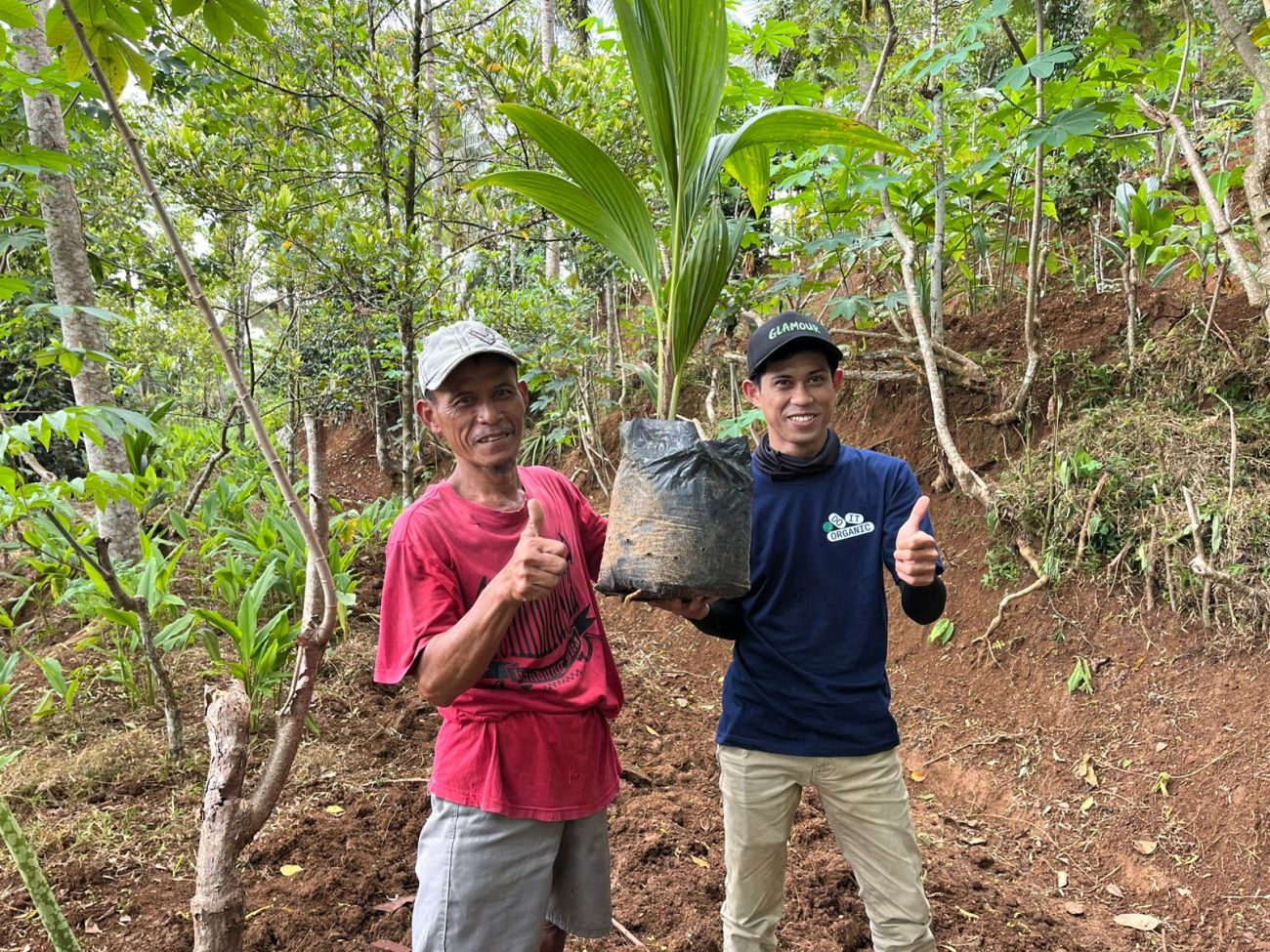
Each farmer receives around 20 seedlings, along with training to ensure healthy growth and long-term productivity.

LOCAL WISDOM & BELIEFS
Planting continues in line with local customs and agricultural traditions, which play an important role in the process. We deeply value the local wisdom and beliefs that shape these practices, as they strengthen farmers’ connection to their land and support careful, respectful cultivation.
Traditional techniques include sitting cross-legged while planting and covering the soil, preparing deep planting holes to ensure proper root coverage, and performing a dedicated planting prayer in which the name of the plant is mentioned.
SEASONAL CALENDAR
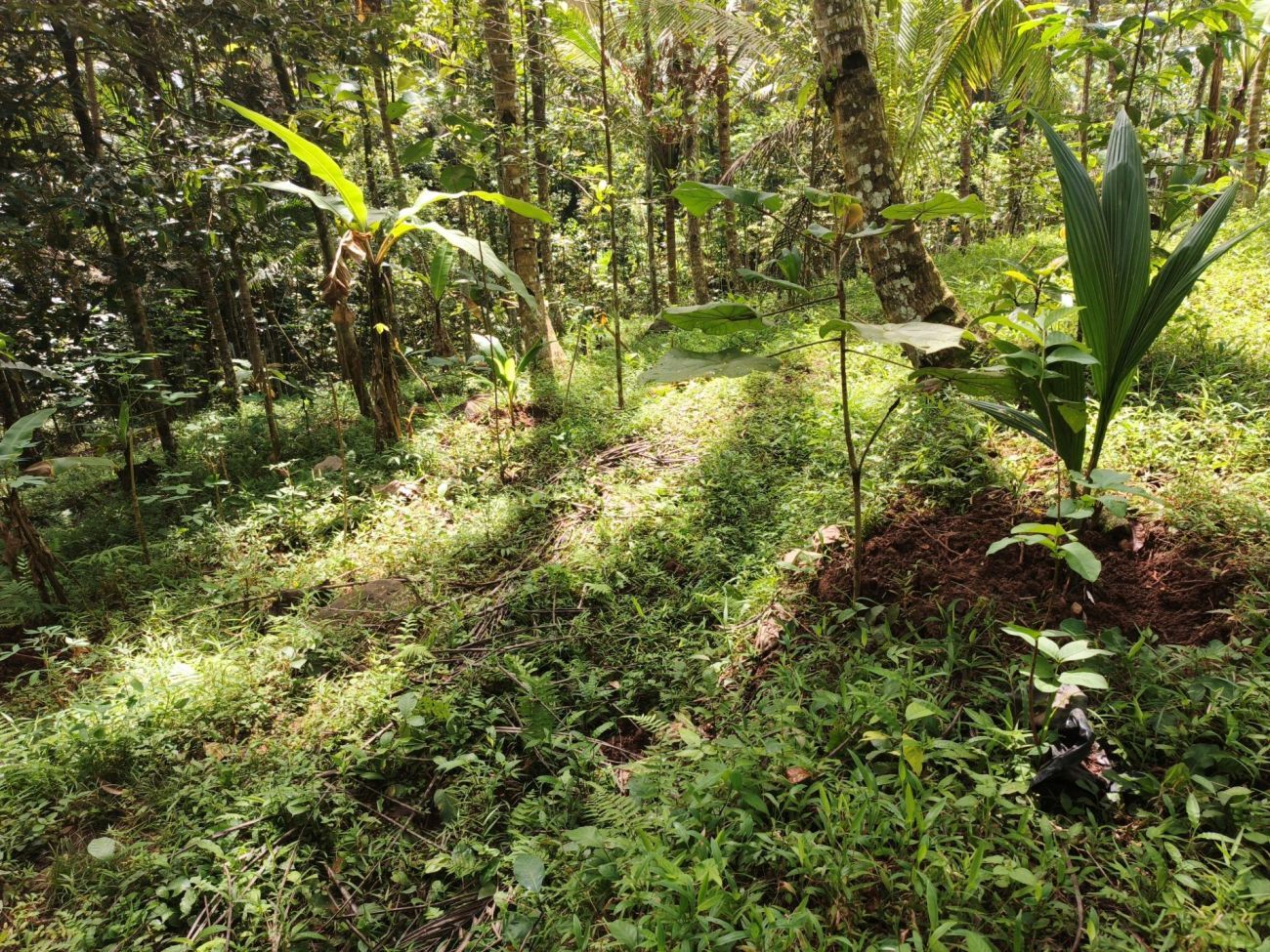
Planting decisions are often guided by cultural traditions. In this case, three farmers delayed planting until the start of Mangsa 8, as they believed that Mangsa 7 and Mangsa 9 were not suitable periods for planting.
This belief is rooted in Pranata Mangsa, a traditional Javanese seasonal calendar that farmers have used for generations to determine the right moments for planting and harvesting. The system is based on long-term observations of nature - such as wind direction, animal behaviour, and the position of the sun. It reflects the deep connection between Javanese farming communities and their natural environment.
COCONUT BLOSSOM SUGAR
Coconut blossom sugar is made by tapping the flower of the coconut tree. Farmers gently cut the flower stem so that the sap can drip into a container. This fresh sap is collected twice a day, then slowly heated to create fine, caramel-coloured crystals with a naturally rich and delicate flavour.
Coconut blossom sugar is valued for its subtle sweetness, versatility in baking, drinks and sauces, and single-ingredient simplicity.
FIND OUT MORE
Interested in sourcing coconut blossom sugar for your business? Make sure to view our full sugar assortment in our webshop. We are happy to discuss supply options.
Rather dive into the sourcing stories first? Each ingredient is shaped by its origin, the way it grows, faces some challenges along the way, and is dependend on the people who cultivate it.
Share page