STRENGTHENING NATURAL SYSTEMS, NOT DISRUPTING THEM
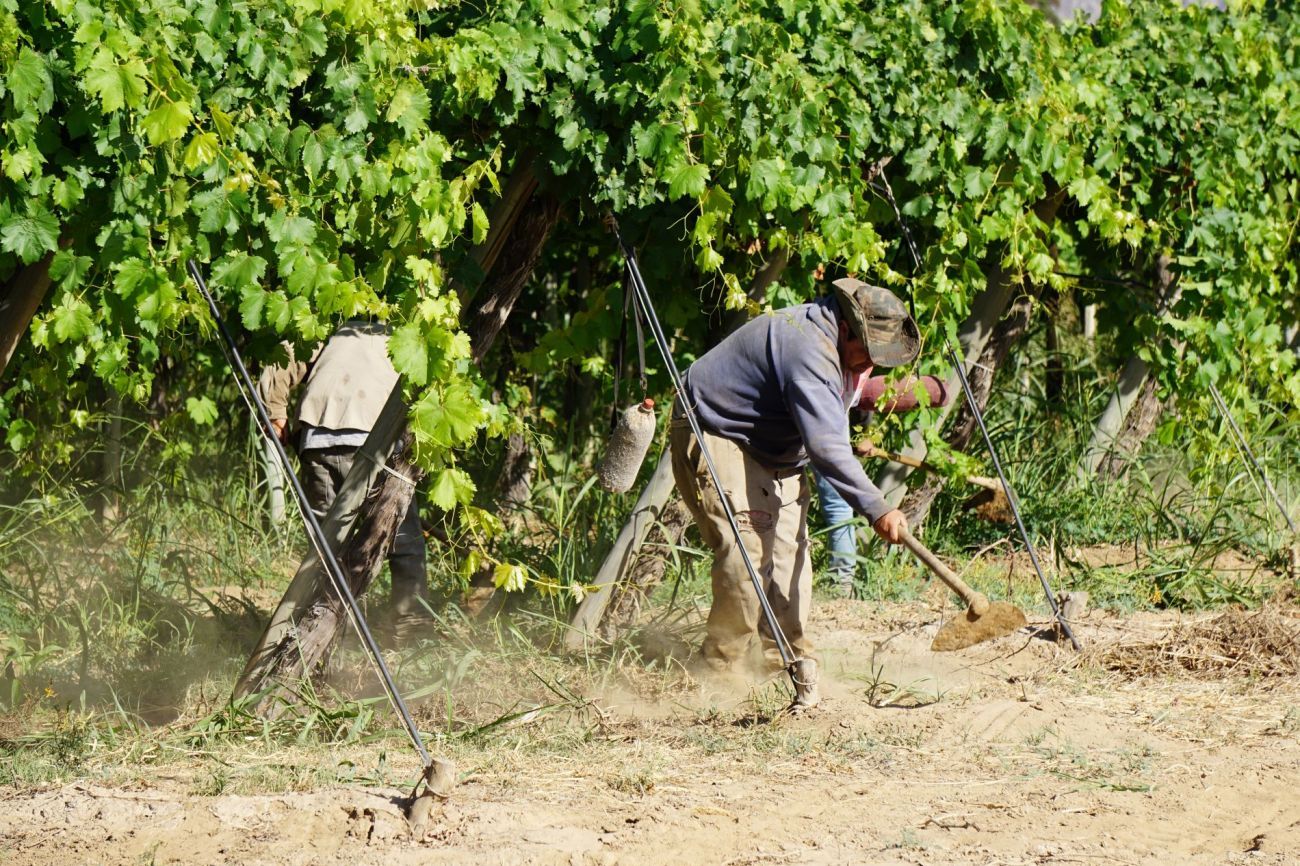
Organic farming works without synthetic pesticides and artificial fertilisers. Instead, organic farming uses practices such as crop rotation, composting and soil cover to support natural processes. By avoiding chemical inputs, organic agriculture creates a system that*:
- places less pressure on the environment
- protects biodiversity
- improves water and soil quality
- reduces exposure to harmful substances for producers and surrounding communities
SUPPORTING PARKINSON NEDERLAND
Parkinson’s is the fastest-growing neurological condition worldwide. Research increasingly points to a link between exposure to pesticides and a higher risk of developing Parkinson’s disease.
We support our Dutch impact partner ParkinsonNederland, who raise funds and create awareness to enable essential research into Parkinson’s and its underlying causes. We aim to share knowledge, raise awareness and encourage others to work together towards a healthier living environment.

A HEALTHY SOIL
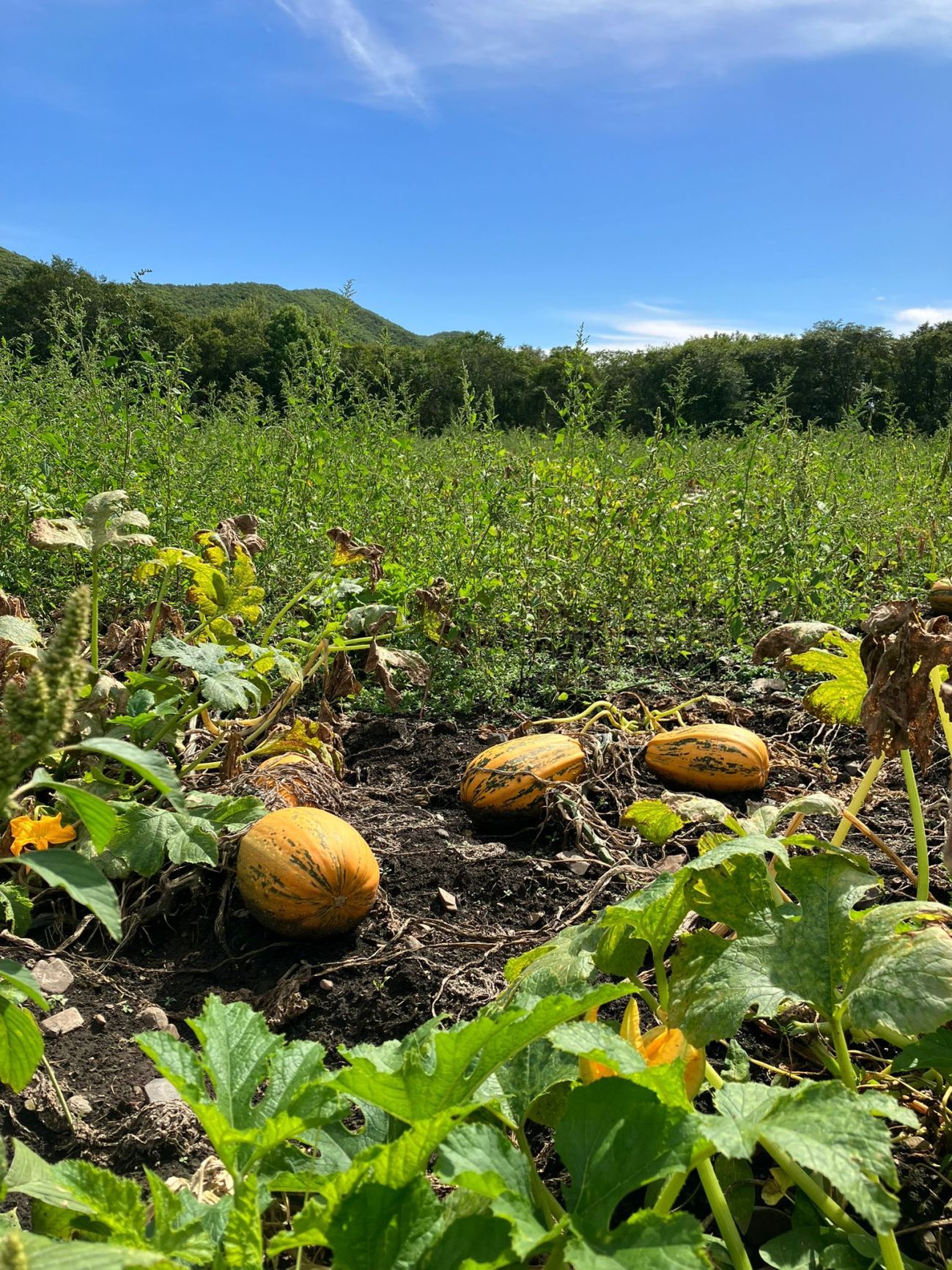
Soil is a living ecosystem that requires care and attention. In organic farming, practices such as crop rotation, composting and soil cover are used to build resilient and living soils.
A healthy soil:
- nourishes plants naturally
-
can improve water retention andhelps reduce the risk of soil erosion
- stimulates diverse soil life
- supports strong, resilient crops
Read how health connects with the other principles of organic agriculture.
Share page